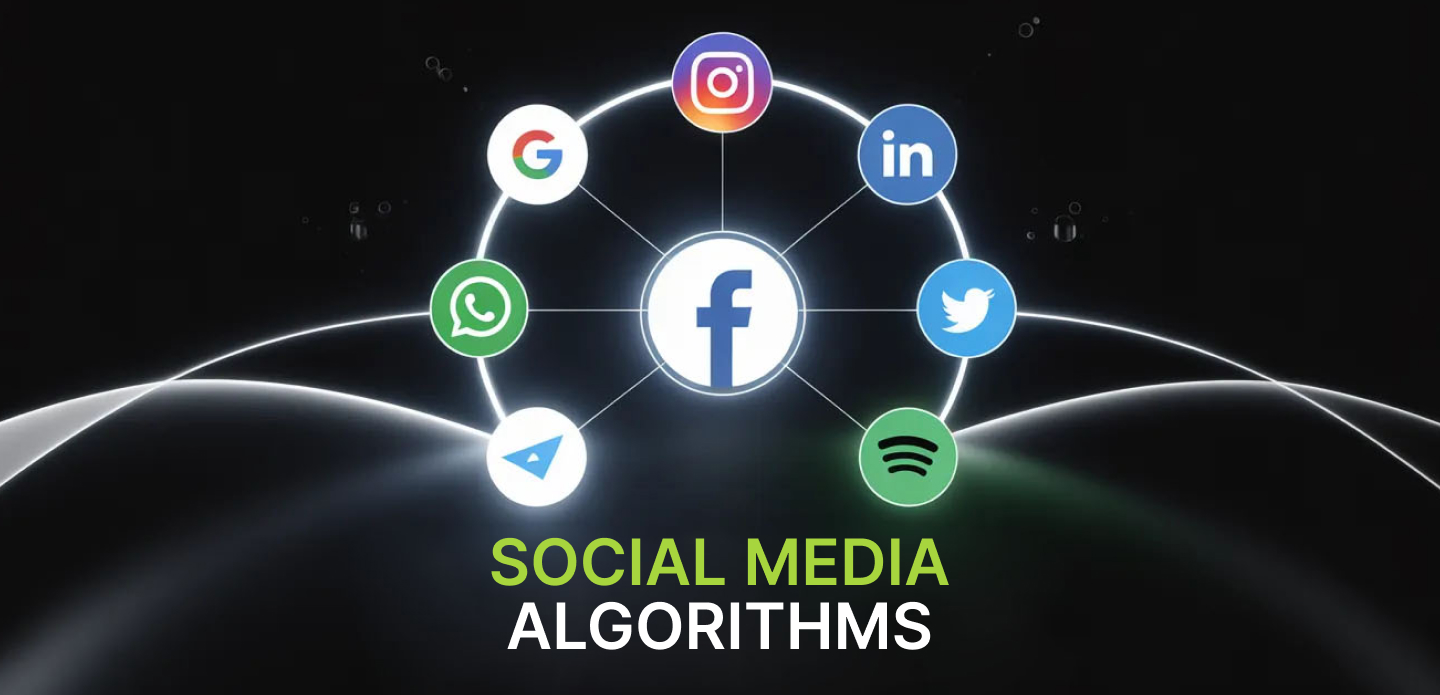
In 2026, getting organic reach on social media is more challenging than ever. Algorithms control what users see, and understanding them is critical for brands, marketers, and creators who want visibility without relying solely on paid advertising. Social media algorithms are complex sets of rules and AI-driven systems that decide which content appears in a user’s feed, which posts get priority, and how engagement is measured.
Whether you are running an ecommerce business, creating content for brand awareness, or managing social media for clients, grasping how these algorithms work is essential. In this guide, we explain social media algorithms in simple terms, uncover the signals that drive organic reach, and provide actionable strategies to increase your visibility in 2026.
Learn more about the platforms themselves on Wikipedia.
What Are Social Media Algorithms?
Social media algorithms are AI-driven systems that prioritize content based on relevance, user behavior, and engagement. They are designed to deliver content that keeps users active on the platform, maximizing the time spent and interactions.
The core functions of social media algorithms include:
- Ranking content: Deciding the order in which posts appear in feeds.
- Filtering noise: Showing users content they are most likely to engage with.
- Reinforcing behavior: Learning from past user interactions to tailor future feeds.
For a more detailed historical perspective, Forbes provides a deep dive into how these systems impact news feeds.
Why Organic Reach Has Declined
Organic reach has steadily decreased on most major platforms. There are several reasons for this trend:
- Increased content volume: More brands and creators are producing content than ever before.
- Platform monetization: Social media platforms prioritize paid content to increase ad revenue.
- Algorithm complexity: Platforms now leverage AI to analyze engagement patterns, making it harder for random posts to appear on feeds.
Despite these challenges, understanding algorithm signals and optimizing your content can significantly improve your organic reach.
Key Signals Social Media Algorithms Use in 2026
Algorithms now rely on multiple layers of AI and machine learning, analyzing signals in real-time. Here are the most important ones:
1. Engagement Metrics
Likes, shares, comments, and saves are classic engagement metrics. Algorithms prioritize content that generates meaningful interactions over superficial clicks.
2. User Interest and Behavior
Algorithms track user activity, such as the types of posts a user engages with, watch time on videos, and content format preferences. The more you align your content with audience behavior, the more likely it will appear organically.
3. Relevance and Timeliness
Fresh, relevant content is favored. Posting during peak engagement hours and ensuring content aligns with current trends increases the chance of visibility.
4. Content Quality and Context
Platforms now analyze the quality and intent of content. High-quality visuals, well-structured posts, and authentic messaging perform better. Incorporating graphic design expertise like Figma Prototyping ensures posts are visually appealing and optimized for attention.
5. Relationship Signals
Content from accounts users interact with regularly is prioritized. Encouraging repeat engagement through meaningful interactions strengthens these signals.
Strategies to Boost Organic Reach in 2026
Understanding algorithms is one thing, but taking action is another. Here are practical strategies to increase your organic reach:
1. Focus on Quality Over Quantity
Creating high-quality content that provides value is more important than posting frequently. Users prefer posts that educate, entertain, or solve a problem. High-quality content also benefits SEO and generative search visibility, making your content more discoverable across multiple channels.
2. Encourage Engagement
Prompting users to comment, share, or save posts signals to algorithms that your content is valuable. Use questions, polls, and interactive formats to increase meaningful engagement.
3. Optimize Posting Times and Frequency
Algorithms favor timely content. Analyzing analytics to post when your audience is most active improves reach. Integrating insights from Analytics & Data-Driven Optimization helps identify optimal posting schedules.
4. Leverage Video and Short-Form Content
Video content, particularly short-form clips, dominates organic reach in 2026. Platforms prioritize video because it keeps users on the platform longer. Focus on creating visually appealing videos with captions for maximum accessibility.
5. Build a Strong Community
Prioritize relationship-driven content. Respond to comments, engage in discussions, and nurture loyal followers. Algorithms reward posts that spark repeated interaction from a dedicated audience.
6. Integrate Content Pillars for SEO and Social Strategy
Developing content pillars ensures consistent, thematic posting that aligns with your audience’s interests. This approach improves discoverability, supports organic reach, and enhances cross-channel visibility.
7. Experiment With Emerging Formats
Platforms constantly introduce new content formats, from AI-generated polls to interactive AR filters. Testing new formats early can give your content a visibility boost, as algorithms often favor early adoption.
Common Misconceptions About Social Media Algorithms
- Algorithms hide your content deliberately:
Algorithms do not punish creators; they aim to show the most relevant content to each user. Poor reach usually indicates misalignment with audience interests. - Posting more always increases reach:
Volume alone does not guarantee reach. Quality, timing, and engagement matter far more. - Paid content is the only way to get visibility:
Paid campaigns can amplify reach, but organic growth is achievable with strategy, creativity, and analytics-informed insights.
Measuring Success in Organic Reach
To optimize your strategy, track these metrics:
- Impressions and reach: How many people see your content
- Engagement rate: Likes, comments, shares per impression
- Follower growth rate: Indicators of sustained organic growth
- Content virality: Share and save ratios
Use analytics to continuously refine your approach. Platforms reward consistency, quality, and meaningful engagement.
The Role of AI and Automation
AI tools can optimize posting schedules, recommend trending topics, and analyze engagement patterns. Integrating AI into your social media strategy ensures your content aligns with platform algorithms while saving time and improving efficiency. Combining AI with creative expertise in graphic design and digital marketing maximizes the impact of every post.
Conclusion
In 2026, social media algorithms will continue evolving, but understanding their mechanics allows brands to increase organic reach without relying entirely on paid advertising. Focus on creating high-quality, engaging content, analyze audience behavior, experiment with new formats, and leverage AI-driven insights for smarter posting.
By combining visual design, data-driven marketing, and strategic content pillars, your social media presence can reach a wider audience organically, foster meaningful engagement, and strengthen your brand in the digital landscape.