Artificial intelligence is no longer just a futuristic concept. It has become a practical tool that businesses are actively using to improve efficiency, reduce costs, and make smarter decisions. One of the most powerful developments in this space is the rise of AI copilots for business.
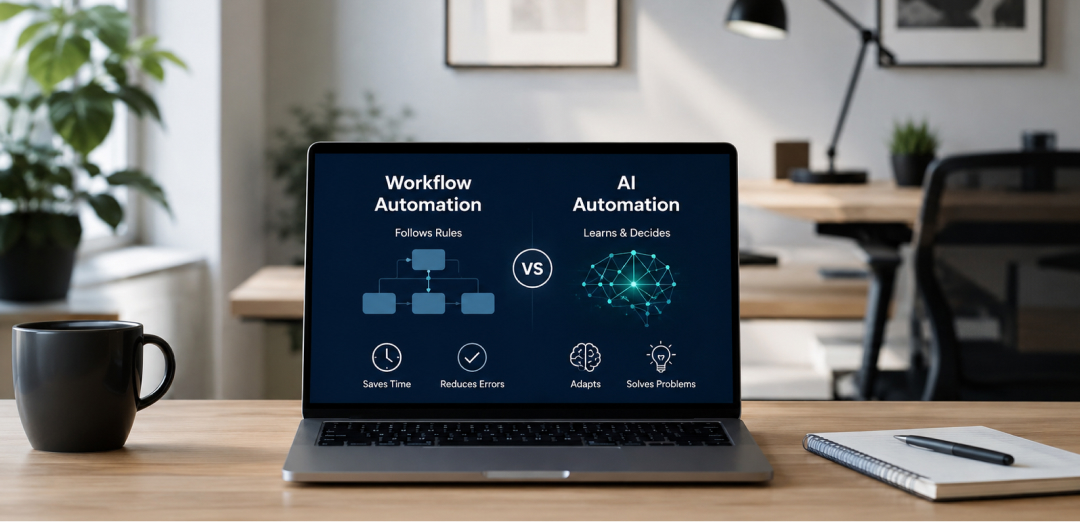
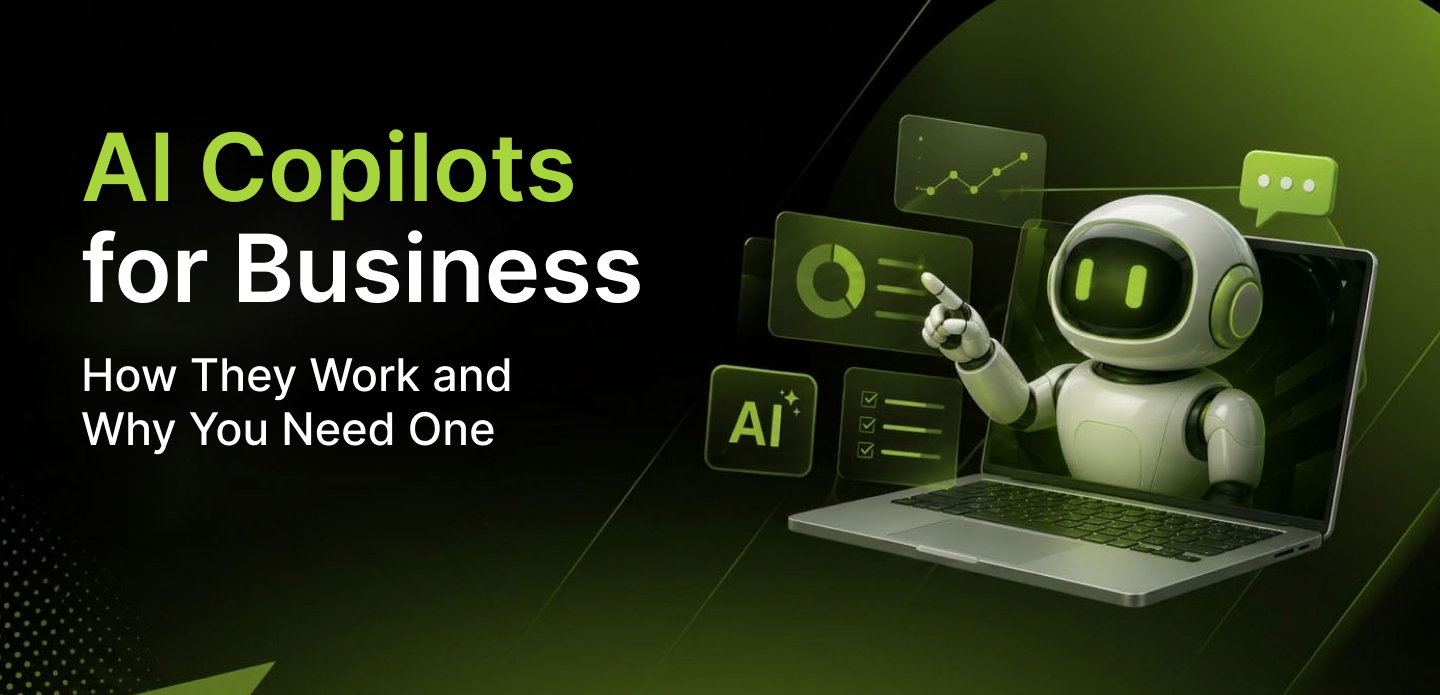
AI copilots are intelligent, AI-powered assistants designed to work alongside humans, helping them complete tasks faster and more accurately. Unlike traditional automation tools, copilots are interactive, context-aware, and capable of assisting across a wide range of business functions.
At their core, these systems are built on advanced models known as large language models. To understand the underlying technology.
What Are AI Copilots for Business?
AI copilots for business are digital assistants that integrate into your workflows, tools, and systems to provide real-time support. They can generate content, analyze data, automate repetitive tasks, and even assist in decision-making processes.
Think of them as a smart partner that understands your business context and helps you work more efficiently. Instead of replacing employees, they enhance productivity by handling routine tasks and providing insights when needed.
These copilots are increasingly being used across industries, from marketing and customer service to operations and product development. Their flexibility makes them suitable for both small businesses and large enterprises.
How AI Copilots Work
AI copilots operate using a combination of machine learning, natural language processing, and data integration. They are trained on vast amounts of information, allowing them to understand language, context, and intent.
When integrated into a business environment, they connect with tools such as CRMs, project management systems, and communication platforms. This allows them to access relevant data and provide meaningful assistance.
Their functionality typically includes:
- Understanding user input through natural language
- Processing large amounts of data quickly
- Generating responses, suggestions, or actions in real time
Recent research highlights how advanced AI systems are becoming more capable of reasoning, planning, and assisting with complex workflows.
Key Benefits of AI Copilots for Business
AI copilots offer a wide range of benefits that directly impact productivity and efficiency. One of the biggest advantages is their ability to simplify complex workflows.
They reduce the need for manual work by automating repetitive tasks and providing instant insights. This allows teams to focus on more strategic and creative activities.
Some of the most impactful benefits include:
- Faster task completion through automation
- Improved accuracy in data handling and analysis
- Enhanced decision-making with real-time insights
- Reduced operational costs over time
These advantages make AI copilots a valuable addition to any modern business strategy.
AI Copilot Use Cases Across Industries
The versatility of AI copilots makes them applicable across multiple business functions. Understanding these AI copilot use cases helps highlight their real-world value.
In marketing, AI-powered assistants can generate content, optimize campaigns, and analyze performance data. This enables teams to create more effective strategies with less effort.
In customer service, copilots assist agents by providing instant responses, summarizing conversations, and suggesting solutions. This improves response times and enhances customer satisfaction.
For internal operations, an AI copilot for internal workflows can automate processes such as reporting, scheduling, and data management. This reduces manual workload and improves efficiency across departments.
In product development, AI copilots help teams brainstorm ideas, write documentation, and manage project timelines more effectively.
AI Copilots for Business Process Simplification
One of the most valuable applications of AI copilots is business process simplification. Many organizations struggle with complex workflows that involve multiple tools, manual steps, and inefficiencies.
AI copilots streamline these processes by connecting systems and automating tasks. Instead of switching between tools or performing repetitive actions, employees can rely on a single assistant to handle multiple functions.
This leads to:
- Reduced operational complexity
- Faster execution of tasks
- Improved collaboration across teams
The Role of AI-Powered Assistants in Decision-Making
AI-powered assistants are not just tools for automation. They also play a significant role in decision-making.
By analyzing large datasets and identifying patterns, AI copilots can provide insights that help businesses make informed decisions. This is especially valuable in areas such as marketing, finance, and operations.
For example, an AI copilot can analyze customer behavior, identify trends, and suggest strategies to improve engagement or sales. This level of insight would be difficult to achieve manually.
As highlighted in Forbes, organizations that effectively adopt AI copilots are better positioned to drive innovation and growth.
Integrating AI Copilots Into Your Business
Implementing AI copilots requires a strategic approach. Businesses need to identify the areas where automation and assistance can deliver the most value.
The process typically involves evaluating current workflows, selecting the right tools, and integrating them with existing systems. It is important to ensure that the AI copilot aligns with your business goals and processes.
For organizations looking to adopt AI effectively, ai transformation services provide solutions that help integrate AI into business operations and workflows.
Supporting Growth With Digital Strategy
AI copilots are most effective when combined with a strong digital strategy. They enhance existing processes rather than replacing them entirely.
For example, integrating AI copilots with marketing efforts can significantly improve campaign performance and customer engagement. Services like digital marketing help businesses align AI tools with broader marketing strategies for better results.
This combination of AI and digital strategy creates a powerful foundation for growth and innovation.
Measuring Success With Data and Analytics
To fully benefit from AI copilots, businesses must track their impact using data and analytics. Measuring performance helps identify what is working and where improvements are needed.
Metrics such as productivity, efficiency, and conversion rates can provide valuable insights into the effectiveness of AI copilots.
Understanding these metrics is essential for continuous improvement. Resources like GA4 Made Simple: Finding the Metrics That Actually Matter help businesses track and analyze performance effectively.
Challenges to Consider
While AI copilots offer many benefits, businesses should also be aware of potential challenges.
Adoption requires proper training and change management. Employees need to understand how to use these tools effectively to maximize their value.
Data privacy and security are also important considerations. Businesses must ensure that their AI systems comply with regulations and protect sensitive information.
Despite these challenges, the long-term benefits of AI copilots far outweigh the initial hurdles when implemented correctly.
The Future of AI Copilots in Business
AI copilots are expected to become even more advanced in the coming years. As technology evolves, these systems will become more accurate, more intuitive, and more integrated into everyday business operations.
Future developments may include deeper personalization, improved reasoning capabilities, and greater automation across complex workflows.
Businesses that adopt AI copilots early will have a competitive advantage, as they will be better prepared to leverage these advancements.
Conclusion
AI copilots for business are transforming the way organizations operate. By combining automation, intelligence, and real-time assistance, they enable businesses to work more efficiently and make better decisions.
From simplifying workflows to enhancing productivity, the impact of AI copilots is both immediate and long-lasting. Businesses that embrace this technology can unlock new opportunities for growth and innovation.
The key is to approach AI adoption strategically, focusing on areas where it can deliver the most value. When implemented effectively, AI copilots become a powerful tool for driving success in a competitive digital landscape.