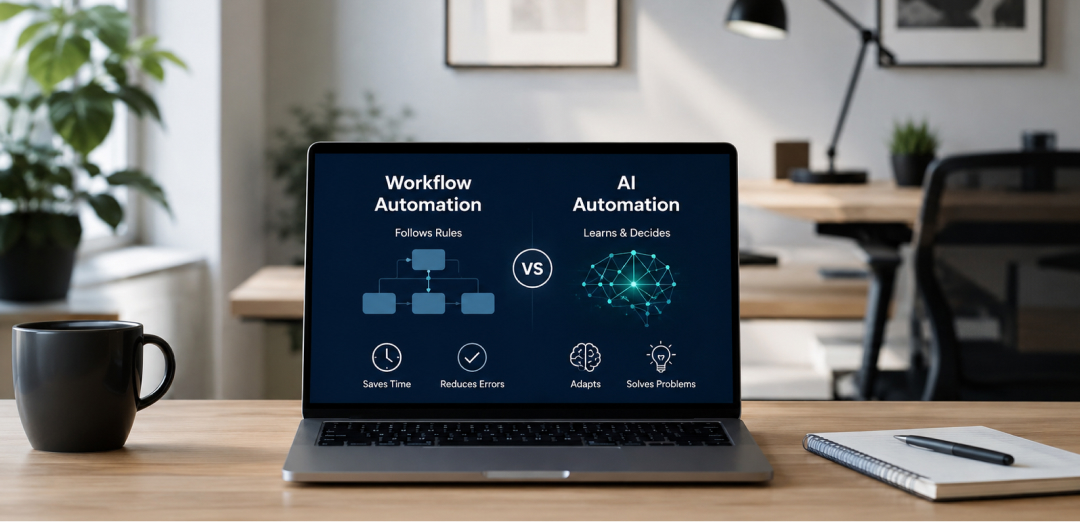

Customer service is a critical component of modern business. With rising customer expectations for instant support and personalized experiences, organizations are increasingly relying on AI integration and automation to streamline support workflows, reduce manual effort, and deliver consistent customer experiences at scale.
Automating customer service not only improves response times but also optimizes agent workload and ensures consistent, high-quality support. This guide explores the role of AI chatbots, automated ticket routing, and sentiment analysis in transforming customer support operations.
For an overview of AI in customer service, see Wikipedia.
Why Automating Customer Service Matters
Manual customer support can be slow, costly, and prone to inconsistencies. Automation addresses these challenges by improving speed, efficiency, and service quality, as explained in Forbes analysis on how AI is transforming customer service.
- Reducing Response Times
AI chatbots can instantly answer common queries, providing 24/7 support.
- Enhancing Agent Efficiency
Automation handles routine tasks, allowing human agents to focus on complex issues.
- Improving Customer Satisfaction
Faster resolutions and consistent service lead to better customer experiences.
- Lowering Operational Costs
Automation reduces the need for large support teams while maintaining quality service.
Businesses that embrace automation gain a competitive edge by delivering seamless, scalable support.
Step 1: Implement AI Chatbots
AI chatbots are the cornerstone of automated customer service. They can answer tier-1 queries, guide users through processes, and even make recommendations. As explained in IBM’s guide on chatbots.
Key benefits of AI chatbots include:
- Handling common questions like account updates, pricing, and FAQs
- Providing instant 24/7 support across multiple channels
- Collecting user data for personalization and follow-up
Best practices for chatbots:
- Use natural language processing (NLP) to understand user intent
- Provide clear options for escalation to human agents
- Continuously train the AI based on user interactions
Step 2: Automate Ticket Routing
Not all customer queries can be resolved by chatbots alone. By using digital workers, businesses can automate ticket classification, prioritization, and routing ensuring that customer issues are assigned to the most suitable agents without manual intervention.
Advantages of automated ticket routing:
- Ensures tickets reach the most qualified agent quickly
- Reduces human error in manual assignment
- Prioritizes urgent issues automatically
- Improves resolution times and customer satisfaction
Modern customer support platforms integrate AI to classify tickets by topic, urgency, and sentiment, ensuring efficiency and accuracy.
Step 3: Leverage Sentiment Analysis
Sentiment analysis uses AI to determine the emotional tone of customer interactions, allowing businesses to prioritize and respond effectively.
Applications include:
- Identifying frustrated customers for priority handling
- Detecting recurring pain points in product or service
- Improving agent training by analyzing communication patterns
By understanding customer sentiment, companies can proactively address issues, increase satisfaction, and reduce churn.
Step 4: Integrate Multichannel Support
Customers expect support across multiple channels including:
- Email
- Live chat
- Social media
- Messaging apps
Automation allows unified support across all platforms, ensuring a seamless experience. AI-powered systems can track conversations, maintain context, and provide personalized responses, regardless of the channel.
Step 5: Continuous Improvement with Analytics
Automating customer service generates vast amounts of data. Analytics help identify trends, measure performance, and optimize workflows.
Metrics to track:
- First response time
- Resolution time
- Customer satisfaction (CSAT) scores
- Ticket volume by category
Regular analysis helps refine AI models, improve chatbot accuracy, and enhance overall support efficiency. For a detailed explanation of key customer support KPIs, refer to HubSpot’s guide to customer service metrics.
Common Challenges and How to Overcome Them
Successful automation requires more than just tools, it demands a clear roadmap. Through AI strategy and consulting, businesses can design customer service automation frameworks that align with long-term goals, integrate seamlessly with existing systems, and scale as customer demand grows.
While automating customer service offers many benefits, businesses must be aware of potential challenges:
- AI Misunderstanding Queries
Train chatbots regularly and provide clear escalation paths.
- Integration with Existing Systems
Choose tools that easily integrate with CRMs, ticketing platforms, and knowledge bases.
- Customer Resistance
Clearly communicate the benefits and ensure human support is always available.
Addressing these challenges ensures automation enhances, rather than hinders, the customer experience.
Future of Automating Customer Service
The future of customer service is increasingly AI-driven. Emerging trends include:
- Voice AI Assistants: Automating phone support with natural conversation
- Predictive Customer Support: Anticipating issues before they arise
- Hyper-Personalization: Using AI to provide tailored experiences at scale
Investing in automation today positions businesses to stay ahead in a competitive, customer-centric market.
Conclusion
Automating customer service with AI chatbots, automated ticket routing, and sentiment analysis is no longer optional, it is a necessity. By implementing these technologies, businesses can improve response times, reduce costs, and provide a superior customer experience.
Start by identifying high-volume queries for chatbot automation, streamline ticket routing, and monitor sentiment analysis to proactively address customer needs. With continuous optimization, automation transforms customer support into a scalable, efficient, and highly effective function.
Businesses that embrace automation today will not only improve operational efficiency but also create lasting loyalty and satisfaction among their customers.